
- Calendar
- Online Ticket Sales
- Access
- JA
- EN
Upcoming Exhibitions
-
The Art of the Lotus Sutra
To Create Is to PrayDecember 12, 2026 to February 7, 2027
The Lotus Sutra has long been the greatest object of faith for Japanese Buddhists of every class and gender. This sutra teaches that all human beings can achieve enlightenment and be saved from this world’s tribulations. Faith in the Lotus Sutra has inspired a rich variety of works of art, from centuries ago to the present. This exhibition introduces lavishly decorated sutras, statues of the Buddha, Buddhist paintings, and other works associated with the Lotus Sutra, offering an opportunity to better understand the interconnections of that faith and its spread in Japan.
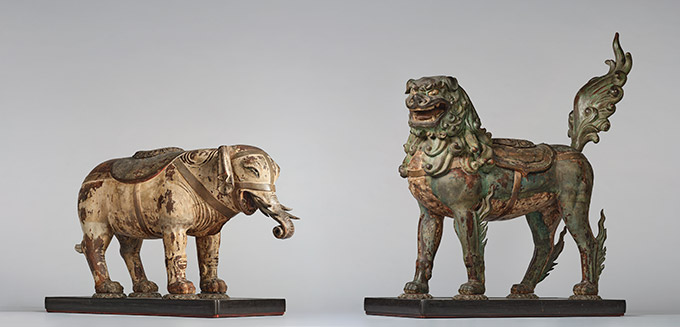
Important Cultural Property, Lion (Manjushri’s Pedestal) and Elephant (Samantabhadra’s Pedestal), Kamakura period, 12th-13th century, Suntory Museum of Art, Photo: Kyosuke Sasaki
-
Celebrating Two Decades in Roppongi, Part I
KIRIKO: The Sparkle of Japanese Cut Glass
March 10 to May 16, 2027
The creation, during the latter half of the Edo period, of kiriko, a uniquely Japanese hand-cut glass, was inspired by the beauty of European cut glass. Its amazing innovations combined knowledge gained from Dutch books with improvements and adaptations to techniques already in use in Japan. This exhibition, based on the latest research, explores the dazzling technical feats in kiriko from the late Edo to the early Meiji period and the circumstances that made producing those stunning works possible in Kyoto, Osaka, and Edo, as well as in the Satsuma, Chōshū, and Saga domains.

Large Kiriko dish, Satsuma Domain, Edo period, 19th century, Suntory Museum of Art, Photo: Keizo Kioku 【To be shown over an entire period】
-
Celebrating Two Decades in Roppongi, Part II
Shiba Kōkan’s World (TBD)
June 23 to August 15, 2027
Shiba Kōkan (1747/48-1818) was the artist who produced Japan’s first copperplate etchings, during the mid-Edo period. He had initially created ukiyo-e and Nanpin-style bird-and-flower paintings. His encountering the polymath Hiraga Gennai and his circle, however, inspired Kōkan to study Western painting techniques. Working with Western genre paintings, Japanese landscapes, and other themes, he created a wide variety of work, including oil paintings, copperplate etchings, and ink-wash paintings. As a rangakusha or scholar of Western learning, he was also involved creating world maps and introducing the idea of Copernican heliocentrism, among his many efforts. This exhibition explores, through his masterworks, the appeal of Kōkan, whose fascination with unknown worlds drove him to take on new challenges throughout his life.

Tea Salon in Hiro’o, Edo, Shiba Kōkan, 1 sheet, 1784, Homma Museum of Art
-
Celebrating Two Decades in Roppongi, Part III
Frolicking Animals (TBD)
September 15 to October 24, 2027
For the first time in twenty years, since our museum’s opening exhibition in Roppongi, in 2007, we are exhibiting Frolicking Animals. This picture scroll is a National Treasure and has the greatest name recognition and popularity in this genre. It was not regarded as an iconic Japanese painting when it was first created. At some point, however, it was brought to Kosan-ji Temple in Togano-o, Kyoto, where it has been carefully preserved, surviving fire and warfare. In this exhibition, we also introduce another picture scroll from Kosan-ji that is also a National Treasure, the Illustrated History of the Founders of the Kegon Sect, to deepen our exploration of the unknown history of the transmission of Frolicking Animals.

National Treasure, Frolicking Animals, Volume 1(detail), Heian period, 12th century, Kosan-ji Temple, Kyoto 【exhibit and scene change during the course of the exhibition】
-
Celebrating Two Decades in Roppongi, Part IV
An Urban Living Room—Relaxing with National Treasures and Important Cultural Properties (TBD)
November 27, 2027 to January 10, 2028
In 2027, the twentieth year since the Suntory Museum of Art relocated to Roppongi and opened there, our collection includes twenty National Treasures and Important Cultural Properties (one National Treasure and nineteen Important Cultural Properties). To reflect on our collecting history, we are showcasing all twenty of those works in our galleries, in different ways. Plus, given that the concept behind our museum’s architecture is “an urban living room,” this exhibition also presents the beauty of music and scenic beauty alongside those twenty treasures. As our twentieth year in Roppongi nears its close, please enjoy visiting the Suntory Museum of Art during the New Year’s season to savor a different aspect of the Suntory Museum of Art.

National treasure, Box with fusenryō design in mother-of-pearl inlay and maki-e, Kamakura period, 13th century, Suntory Museum of Art
2025 January
- Exhibition
- Closed
- Tea Ceremony
- Mon
- Tue
- Wed
- Thu
- Fri
- Sat
- Sun
- 1
- 2
- 3
- 4
- 5
- 6
- 7
- 8
- 9
- 10
- 11
- 12
- 13
- 14
- 15
- 16
- 17
- 18
- 19
- 20
- 21
- 22
- 23
- 24
- 25
- 26
- 27
- 28
- 29
- 30
- 31
2025 February
- Exhibition
- Closed
- Tea Ceremony
- Mon
- Tue
- Wed
- Thu
- Fri
- Sat
- Sun
- 1
- 2
- 3
- 4
- 5
- 6
- 7
- 8
- 9
- 10
- 11
- 12
- 13
- 14
- 15
- 16
- 17
- 18
- 19
- 20
- 21
- 22
- 23
- 24
- 25
- 26
- 27
- 28
2025 March
- Exhibition
- Closed
- Tea Ceremony
- Mon
- Tue
- Wed
- Thu
- Fri
- Sat
- Sun
- 1
- 2
- 3
- 4
- 5
- 6
- 7
- 8
- 9
- 10
- 11
- 12
- 13
- 14
- 15
- 16
- 17
- 18
- 19
- 20
- 21
- 22
- 23
- 24
- 25
- 26
- 27
- 28
- 29
- 30
- 31
2025 April
- Exhibition
- Closed
- Tea Ceremony
- Mon
- Tue
- Wed
- Thu
- Fri
- Sat
- Sun
- 1
- 2
- 3
- 4
- 5
- 6
- 7
- 8
- 9
- 10
- 11
- 12
- 13
- 14
- 15
- 16
- 17
- 18
- 19
- 20
- 21
- 22
- 23
- 24
- 25
- 26
- 27
- 28
- 29
- 30
2025 May
- Exhibition
- Closed
- Tea Ceremony
- Mon
- Tue
- Wed
- Thu
- Fri
- Sat
- Sun
- 1
- 2
- 3
- 4
- 5
- 6
- 7
- 8
- 9
- 10
- 11
- 12
- 13
- 14
- 15
- 16
- 17
- 18
- 19
- 20
- 21
- 22
- 23
- 24
- 25
- 26
- 27
- 28
- 29
- 30
- 31
2025 June
- Exhibition
- Closed
- Tea Ceremony
- Mon
- Tue
- Wed
- Thu
- Fri
- Sat
- Sun
- 1
- 2
- 3
- 4
- 5
- 6
- 7
- 8
- 9
- 10
- 11
- 12
- 13
- 14
- 15
- 16
- 17
- 18
- 19
- 20
- 21
- 22
- 23
- 24
- 25
- 26
- 27
- 28
- 29
- 30
2025 July
- Exhibition
- Closed
- Tea Ceremony
- Mon
- Tue
- Wed
- Thu
- Fri
- Sat
- Sun
- 1
- 2
- 3
- 4
- 5
- 6
- 7
- 8
- 9
- 10
- 11
- 12
- 13
- 14
- 15
- 16
- 17
- 18
- 19
- 20
- 21
- 22
- 23
- 24
- 25
- 26
- 27
- 28
- 29
- 30
- 31
2025 August
- Exhibition
- Closed
- Tea Ceremony
- Mon
- Tue
- Wed
- Thu
- Fri
- Sat
- Sun
- 1
- 2
- 3
- 4
- 5
- 6
- 7
- 8
- 9
- 10
- 11
- 12
- 13
- 14
- 15
- 16
- 17
- 18
- 19
- 20
- 21
- 22
- 23
- 24
- 25
- 26
- 27
- 28
- 29
- 30
- 31
2025 September
- Exhibition
- Closed
- Tea Ceremony
- Mon
- Tue
- Wed
- Thu
- Fri
- Sat
- Sun
- 1
- 2
- 3
- 4
- 5
- 6
- 7
- 8
- 9
- 10
- 11
- 12
- 13
- 14
- 15
- 16
- 17
- 18
- 19
- 20
- 21
- 22
- 23
- 24
- 25
- 26
- 27
- 28
- 29
- 30
2025 October
- Exhibition
- Closed
- Tea Ceremony
- Mon
- Tue
- Wed
- Thu
- Fri
- Sat
- Sun
- 1
- 2
- 3
- 4
- 5
- 6
- 7
- 8
- 9
- 10
- 11
- 12
- 13
- 14
- 15
- 16
- 17
- 18
- 19
- 20
- 21
- 22
- 23
- 24
- 25
- 26
- 27
- 28
- 29
- 30
- 31
2025 November
- Exhibition
- Closed
- Tea Ceremony
- Mon
- Tue
- Wed
- Thu
- Fri
- Sat
- Sun
- 1
- 2
- 3
- 4
- 5
- 6
- 7
- 8
- 9
- 10
- 11
- 12
- 13
- 14
- 15
- 16
- 17
- 18
- 19
- 20
- 21
- 22
- 23
- 24
- 25
- 26
- 27
- 28
- 29
- 30
2025 December
- Exhibition
- Closed
- Tea Ceremony
- Mon
- Tue
- Wed
- Thu
- Fri
- Sat
- Sun
- 1
- 2
- 3
- 4
- 5
- 6
- 7
- 8
- 9
- 10
- 11
- 12
- 13
- 14
- 15
- 16
- 17
- 18
- 19
- 20
- 21
- 22
- 23
- 24
- 25
- 26
- 27
- 28
- 29
- 30
- 31
2026 January
- Exhibition
- Closed
- Tea Ceremony
- Mon
- Tue
- Wed
- Thu
- Fri
- Sat
- Sun
- 1
- 2
- 3
- 4
- 5
- 6
- 7
- 8
- 9
- 10
- 11
- 12
- 13
- 14
- 15
- 16
- 17
- 18
- 19
- 20
- 21
- 22
- 23
- 24
- 25
- 26
- 27
- 28
- 29
- 30
- 31
2026 February
- Exhibition
- Closed
- Mon
- Tue
- Wed
- Thu
- Fri
- Sat
- Sun
- 1
- 2
- 3
- 4
- 5
- 6
- 7
- 8
- 9
- 10
- 11
- 12
- 13
- 14
- 15
- 16
- 17
- 18
- 19
- 20
- 21
- 22
- 23
- 24
- 25
- 26
- 27
- 28
2026 March
- Exhibition
- Closed
- Mon
- Tue
- Wed
- Thu
- Fri
- Sat
- Sun
- 1
- 2
- 3
- 4
- 5
- 6
- 7
- 8
- 9
- 10
- 11
- 12
- 13
- 14
- 15
- 16
- 17
- 18
- 19
- 20
- 21
- 22
- 23
- 24
- 25
- 26
- 27
- 28
- 29
- 30
- 31
2026 April
- Exhibition
- Closed
- Mon
- Tue
- Wed
- Thu
- Fri
- Sat
- Sun
- 1
- 2
- 3
- 4
- 5
- 6
- 7
- 8
- 9
- 10
- 11
- 12
- 13
- 14
- 15
- 16
- 17
- 18
- 19
- 20
- 21
- 22
- 23
- 24
- 25
- 26
- 27
- 28
- 29
- 30
2026 May
- Exhibition
- Closed
- Mon
- Tue
- Wed
- Thu
- Fri
- Sat
- Sun
- 1
- 2
- 3
- 4
- 5
- 6
- 7
- 8
- 9
- 10
- 11
- 12
- 13
- 14
- 15
- 16
- 17
- 18
- 19
- 20
- 21
- 22
- 23
- 24
- 25
- 26
- 27
- 28
- 29
- 30
- 31
2026 June
- Exhibition
- Closed
- Mon
- Tue
- Wed
- Thu
- Fri
- Sat
- Sun
- 1
- 2
- 3
- 4
- 5
- 6
- 7
- 8
- 9
- 10
- 11
- 12
- 13
- 14
- 15
- 16
- 17
- 18
- 19
- 20
- 21
- 22
- 23
- 24
- 25
- 26
- 27
- 28
- 29
- 30
2026 July
- Exhibition
- Closed
- Mon
- Tue
- Wed
- Thu
- Fri
- Sat
- Sun
- 1
- 2
- 3
- 4
- 5
- 6
- 7
- 8
- 9
- 10
- 11
- 12
- 13
- 14
- 15
- 16
- 17
- 18
- 19
- 20
- 21
- 22
- 23
- 24
- 25
- 26
- 27
- 28
- 29
- 30
- 31
2026 August
- Exhibition
- Closed
- Mon
- Tue
- Wed
- Thu
- Fri
- Sat
- Sun
- 1
- 2
- 3
- 4
- 5
- 6
- 7
- 8
- 9
- 10
- 11
- 12
- 13
- 14
- 15
- 16
- 17
- 18
- 19
- 20
- 21
- 22
- 23
- 24
- 25
- 26
- 27
- 28
- 29
- 30
- 31
2026 September
- Exhibition
- Closed
- Mon
- Tue
- Wed
- Thu
- Fri
- Sat
- Sun
- 1
- 2
- 3
- 4
- 5
- 6
- 7
- 8
- 9
- 10
- 11
- 12
- 13
- 14
- 15
- 16
- 17
- 18
- 19
- 20
- 21
- 22
- 23
- 24
- 25
- 26
- 27
- 28
- 29
- 30
2026 October
- Exhibition
- Closed
- Mon
- Tue
- Wed
- Thu
- Fri
- Sat
- Sun
- 1
- 2
- 3
- 4
- 5
- 6
- 7
- 8
- 9
- 10
- 11
- 12
- 13
- 14
- 15
- 16
- 17
- 18
- 19
- 20
- 21
- 22
- 23
- 24
- 25
- 26
- 27
- 28
- 29
- 30
- 31
2026 November
- Exhibition
- Closed
- Mon
- Tue
- Wed
- Thu
- Fri
- Sat
- Sun
- 1
- 2
- 3
- 4
- 5
- 6
- 7
- 8
- 9
- 10
- 11
- 12
- 13
- 14
- 15
- 16
- 17
- 18
- 19
- 20
- 21
- 22
- 23
- 24
- 25
- 26
- 27
- 28
- 29
- 30
2026 December
- Exhibition
- Closed
- Mon
- Tue
- Wed
- Thu
- Fri
- Sat
- Sun
- 1
- 2
- 3
- 4
- 5
- 6
- 7
- 8
- 9
- 10
- 11
- 12
- 13
- 14
- 15
- 16
- 17
- 18
- 19
- 20
- 21
- 22
- 23
- 24
- 25
- 26
- 27
- 28
- 29
- 30
- 31
