


2026.10.06
Pursuit of superior flavor and taste Plant science StoryUncovering the Mechanisms Behind Drought-Tolerant Hops
— Research findings on drought tolerance mechanisms presented at IHC2026 —
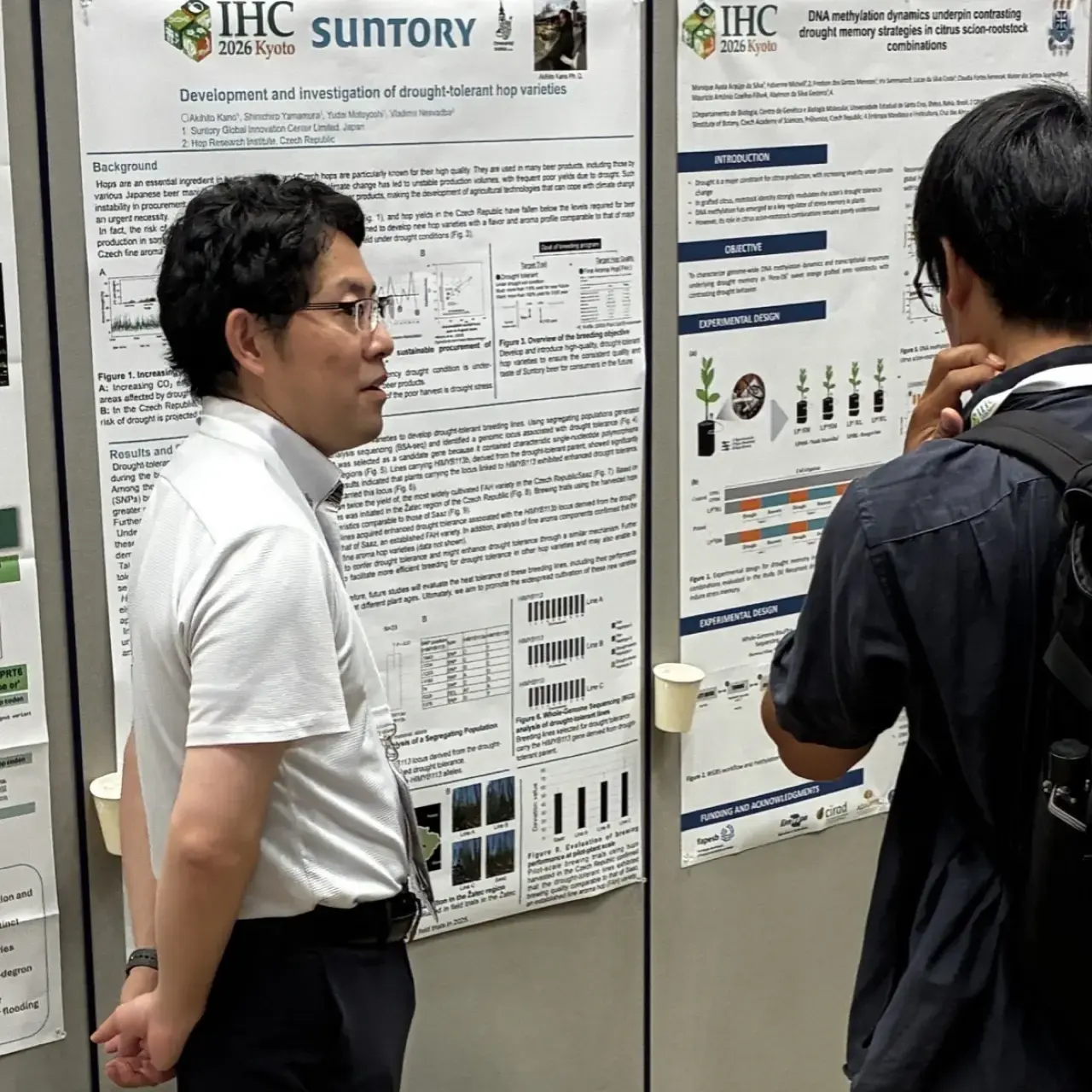
Suntory Global Innovation Center Ltd. (SIC) presented research findings on the mechanisms underlying drought tolerance in hops at the 32nd International Horticultural Congress (IHC2026), held in Kyoto in August 2026.
The study identified a genomic region associated with drought tolerance and a candidate gene, HlMYB113, located within that region. Building on these findings, the researchers also developed a molecular marker for efficiently selecting drought-tolerant hops based on genetic information.
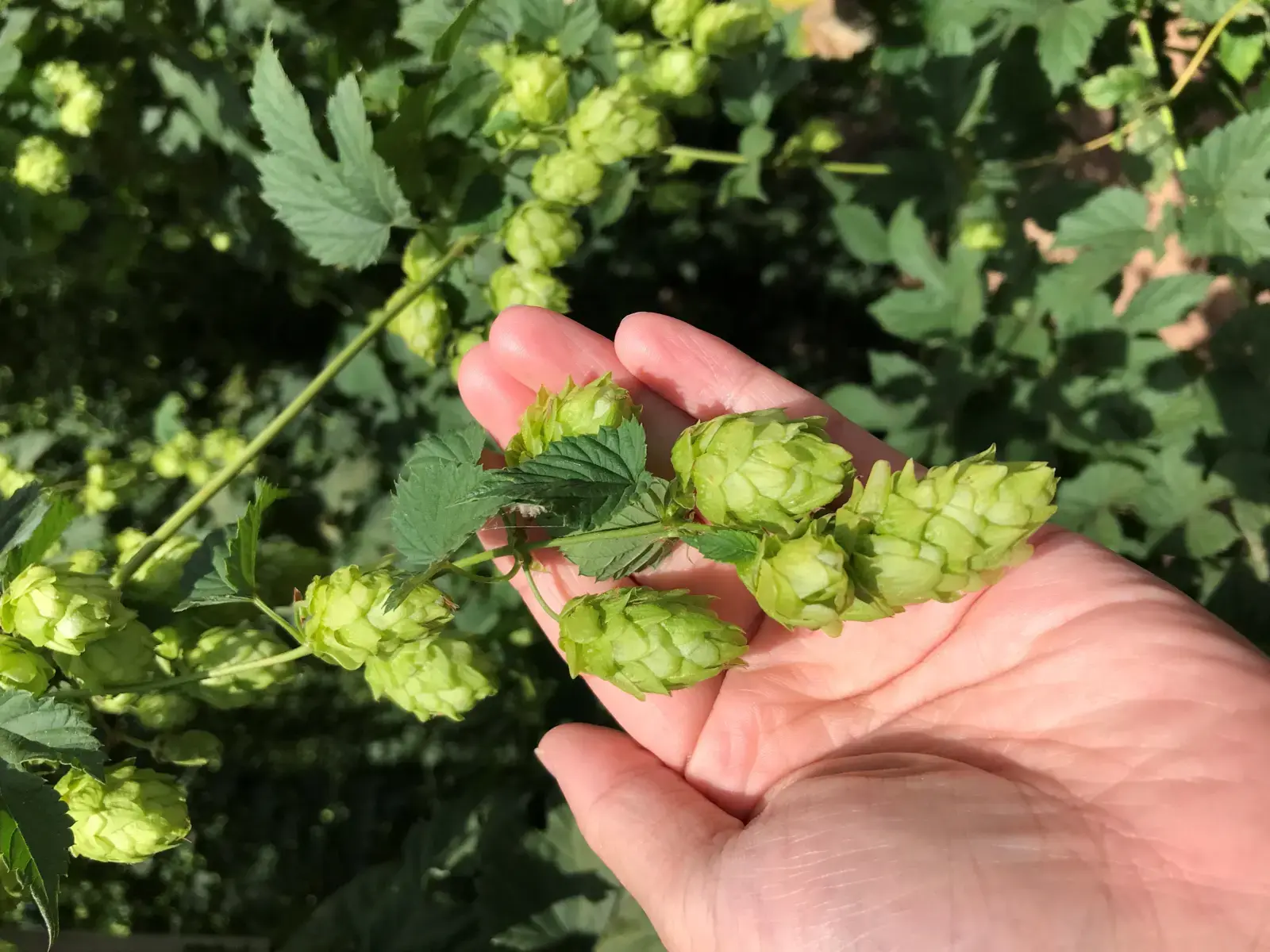
SIC has been conducting collaborative hop research with the Hop Research Institute Co., Ltd. in the Czech Republic since 2010. In the Czech Republic, a region known for producing high-quality hops, soil drying caused by factors such as reduced rainfall has increasingly affected hop yields. Since 2018, SIC has been working to develop hops that combine drought tolerance with high quality.
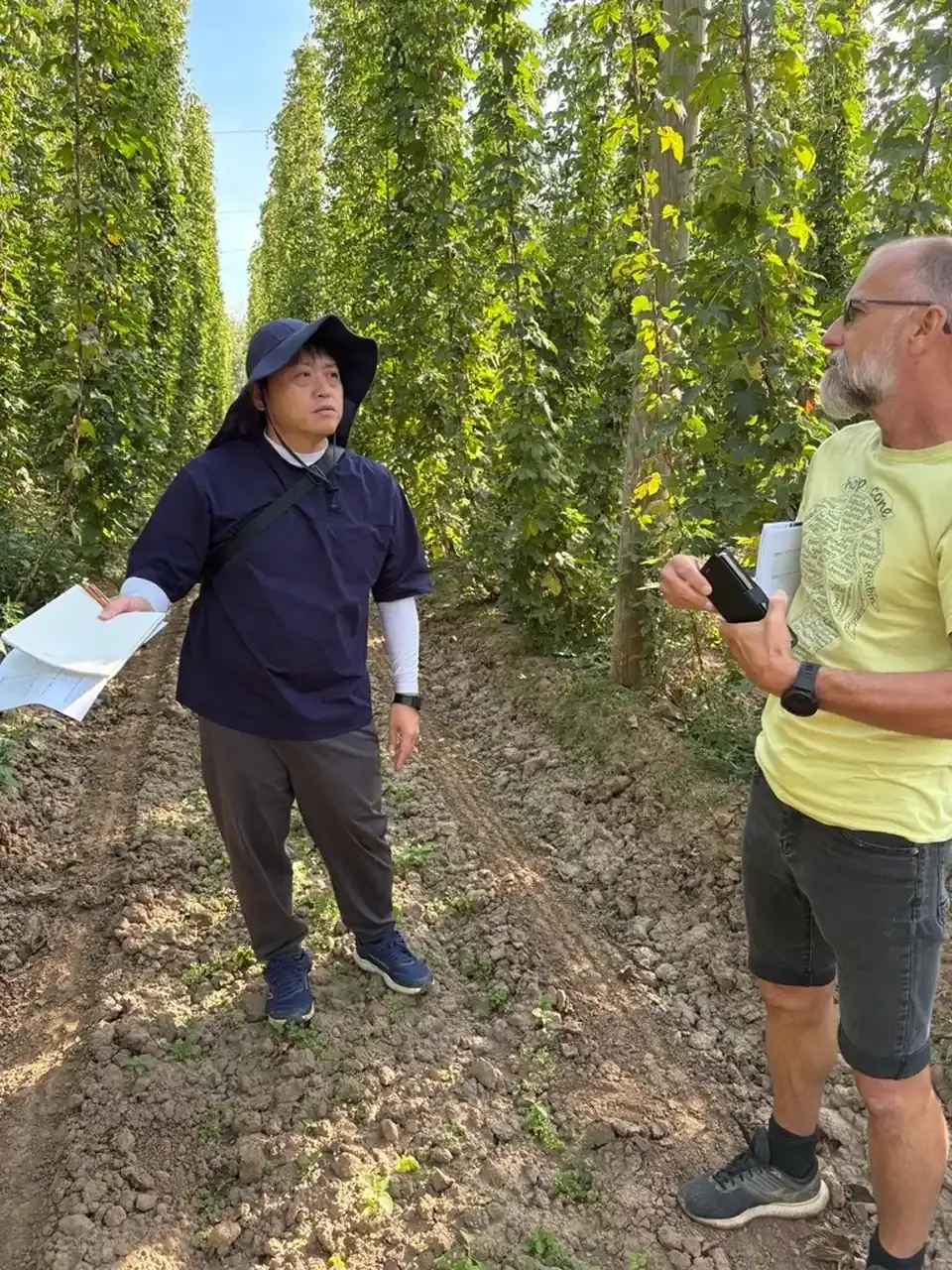
This study focused on how far the “drought tolerance” achieved through breeding could be understood through genetic information.
Linking Drought Tolerance to Genetic Information
The researchers analyzed the relationship between traits such as hop growth and yield under drought conditions and the genetic information carried by individual plants.
The analysis identified a genomic region associated with drought tolerance on chromosome 3 and, within that region, the candidate gene HlMYB113. Compared with the publicly available hop reference genome, drought-tolerant lines had multiple single-nucleotide polymorphisms (SNPs) in the promoter region of HlMYB113. Hops carrying these genetic characteristics showed significantly greater above-ground growth even under drought conditions.
Using these findings, the researchers developed a molecular marker that enables efficient selection of drought-tolerant hops based on genetic information.
The significance of this analysis lies not only in identifying a candidate gene. By linking the “drought tolerance” observed and selected in actual plants during breeding with genetic information obtained through genome analysis, the study provides new clues for gaining a deeper understanding of this trait.
“In breeding drought-tolerant hops, the development of molecular markers can accelerate variety development and enable consistent selection of individual plants.
The findings from this study are expected to dramatically improve breeding efficiency and make it easier to develop drought-tolerant varieties, thereby contributing to more stable hop production and, in turn, the stable production of high-quality beer made with these hops.”
From Emerging Mechanisms to the Next Stage of Research
The study identified a genomic region associated with drought tolerance and a candidate gene. At the same time, further questions remain, including how genetic differences in HlMYB113 function within the plant and support growth under drought conditions.
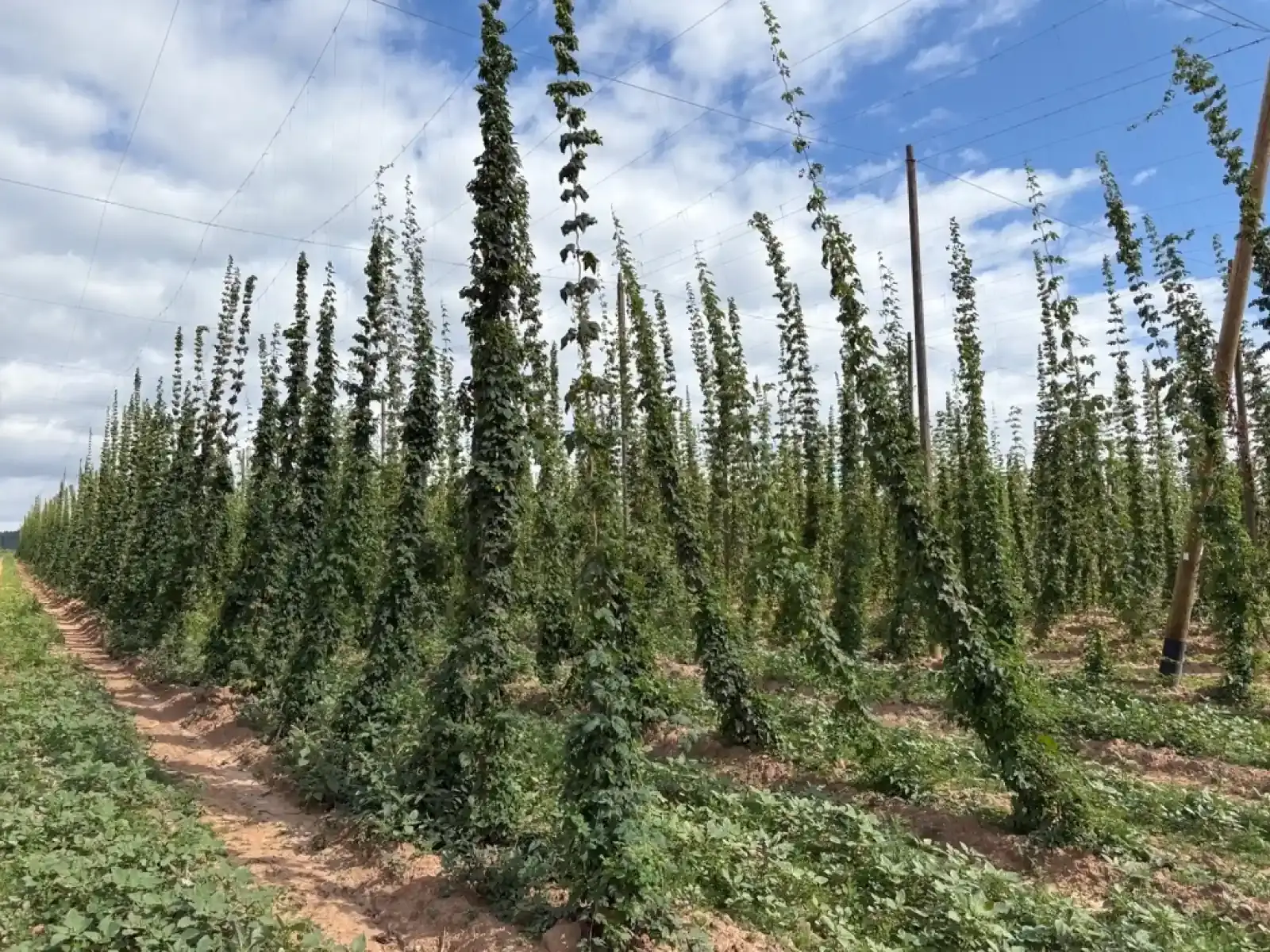
The team is also continuing to explore how the findings can be applied to future variety development. New drought-tolerant varieties jointly developed by SIC and the Hop Research Institute are currently undergoing large-scale field trials in the Žatec region of the Czech Republic, where their quality, yield, and other characteristics are being evaluated.
“We identified HlMYB113 as a candidate gene that may confer drought tolerance.
Going forward, we aim to clarify how this gene confers drought tolerance. By applying the underlying mechanism, we believe it may also become possible to confer drought tolerance in other crops.”
Toward a Sustainable Future for High-Quality Hops
Hop quality is influenced not only by genetic characteristics but also by growing conditions such as climate and soil. To ensure the stable production of high-quality hops in a changing environment, it is important to understand plant traits scientifically and translate that knowledge into breeding and cultivation practices.
The findings presented at IHC2026 provide a new clue for understanding drought tolerance through genetic information and connecting that understanding to future breeding efforts.
SIC will continue to deepen its understanding of the mechanisms that support drought tolerance in hops, while applying these findings to the sustainable production of high-quality hops and to further advances in research on environmental stress tolerance in plants.
We share the latest news, announcements, and day-to-day activities at SIC. If you are interested, please follow our page to stay updated.
[Suntory Global Innovation Center Official LinkedIn]


