

Next
Revealing the inequality of a single drop
2025.12.22
Others Plant science Story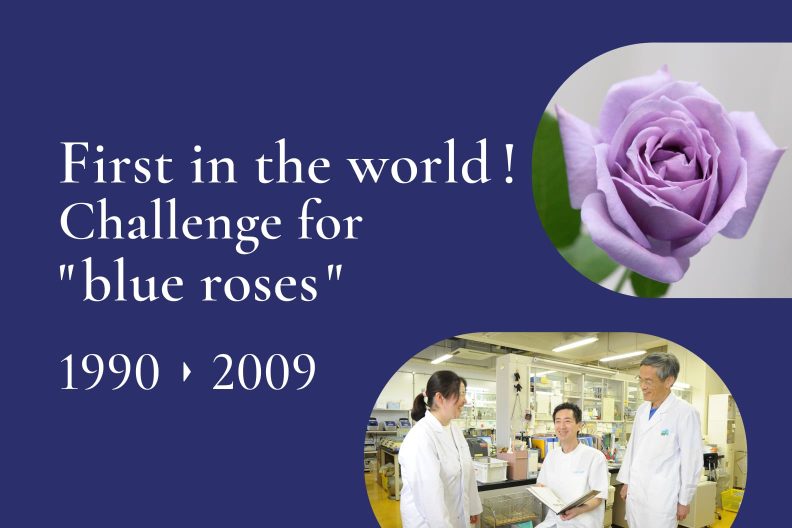
"Blue roses,” which do not exist in the natural world. For the success of the development, we made many challenges with the corporate DNA of the Suntory Group, "Yatte Minahare."
This article is a re-edited version of an article that appeared on our corporate website in 2014. Job titles, department names, and photos are current as of the time of publication (2014) and may differ from the present.
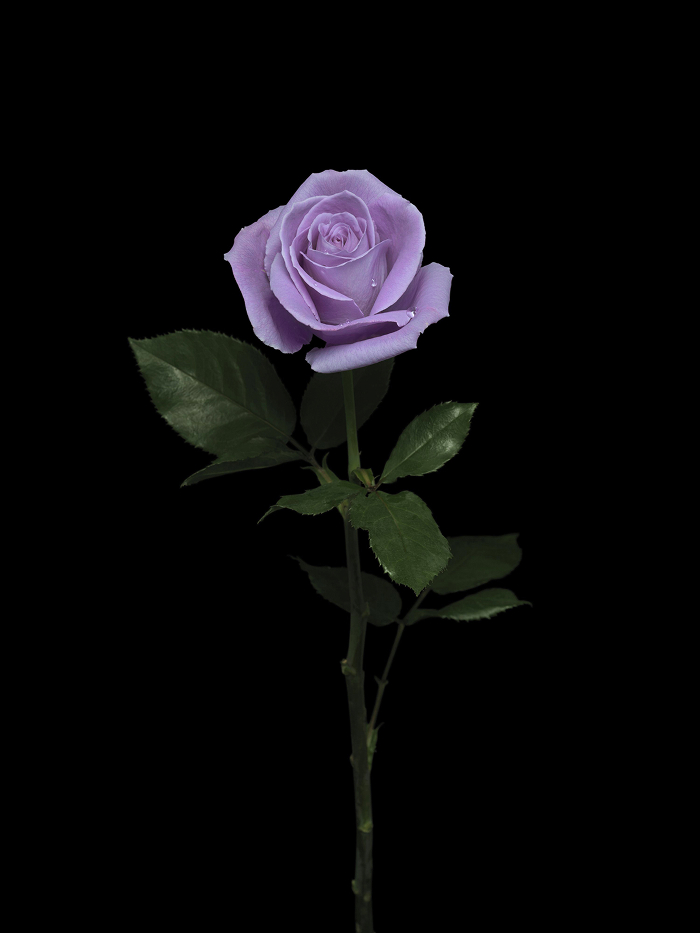
Roses have been the most beloved flowers from the ancient time all over the world. Cleopatra and the Roman Emperor Nero mass-cultivated roses using the petals in a large quantity in their palace. Most of the roses grown currently (botanical name: Rosa hybrida) have been generated by artificial hybridization breeding from about 8 wild rose species in the world. Everblooming roses as well as yellow and orange roses were also produced as a result of extensive breeding. It is well known that Joséphine, the wife of Napoleon, produced many varieties by hybridization in the garden of her Château de Malmaison. These varieties are the roots of many roses currently grown.
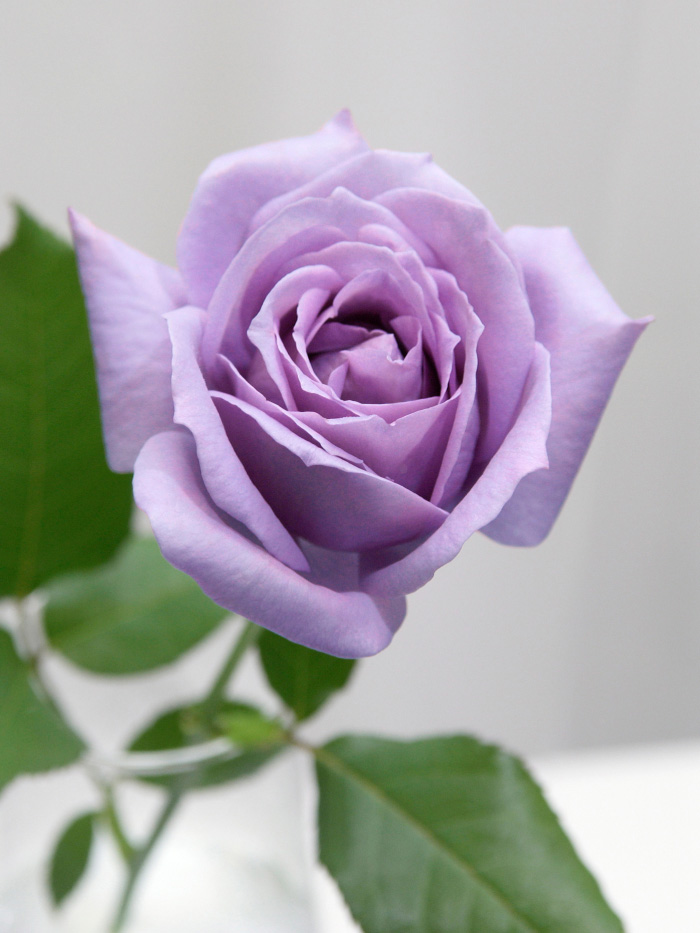
The term “blue rose” signifies “the impossible” and “a non-existent object.” This is because although many attempts were made to produce blue roses, these attempts failed no matter how many times hybridization was repeated since roses did not have the ability to produce blue pigments (delphinidin) contained in many blue flowers. Our challenge to produce blue roses started with the “hope to brighten up and encourage people in the world by producing blue flowers signifying happiness,” the “belief that blue roses could be produced by synthesizing blue pigments in roses with biotechnologies,” and the “notion that this project matched with the corporate DNA of Suntory, Yatte Minahare” This research project was started in 1990, and after 14 years, the success of the development was finally announced in 2004. Great responses were received on the “birth of the first blue roses in the world with blue pigments in their petals.” Subsequently, permits necessary for production and marketing of the genetically modified roses were obtained in 2008. Since 2009, they have been put on sale as “SUNTORY blue rose APPLAUSE” (signifying “dreams come true” in the language of flowers), and they are well accepted in the market with prestigious images.
We are also analyzing the fragrance and have expanded its applications beyond the fresh flowers themselves. Products such as soaps and perfumes now allow people to enjoy the scent of the Suntory Blue Rose APPLAUSE in new ways.
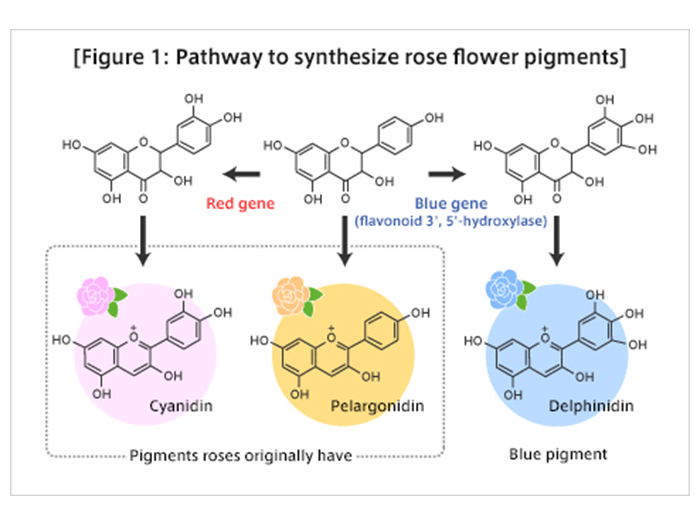
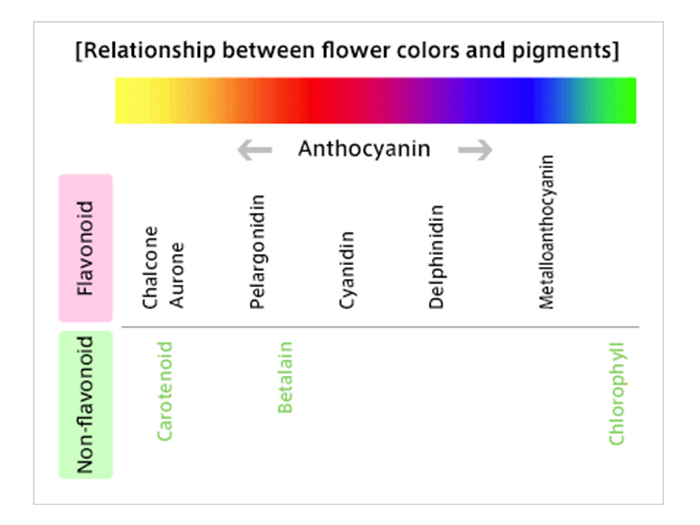
Flower colors are generally determined by what kind of pigments accumulate in their petals. The components of flower colors, such as red, purple, and blue, are collectively called anthocyanins. The structures and colors of anthocyanins are varied, but the structures of its backbone moiety controlling coloring (chromophores) can be classified into three major types (Figure 1). Pelargonidin is often contained in orange or bright red flowers, such as salvia, whereas cyanidin is contained in red and showy pink flowers, such as roses. Compounds contained in many purple and blue flowers, such as gentian and platycodon, are delphinidin (also called blue pigment). The structures of these compounds are different only in the number of hydroxyls (OH). This small difference causes a difference in color.
There are roses of various colors, including red, orange, and pink, and these colors are derived from cyanidin and pelargonidin. Red roses primarily contain cyanidin whereas orange roses primarily contain pelargonidin. The reason why there are no blue roses is that no blue pigment (delphinidin) exists in the petal. Some roses created by conventional breeding are collectively called “bluish,” but they don’t contain delphinidin. Breeding of these varieties was performed by reducing the amount of cyanidin to make them look more bluish. The color of yellow roses is derived from carotenoids (components of the color of pumpkins and carrots), which are a totally different compounds from anthocyanins.
The kind of pigments that plants synthesize is determined by nature, depending on what kind of genes they have. Because roses do not have the genes necessary to synthesize blue pigments (blue genes; scientifically, flavonoid 3′,5′-hydroxylase genes [Figure 1]), they do not synthesize them. Therefore, even though hybridization was repeated, roses could not synthesize blue pigments because the rose family does not have blue genes (strawberries and apples, which belong to the rose family, do not have them, either). That was why we could not produce blue roses.
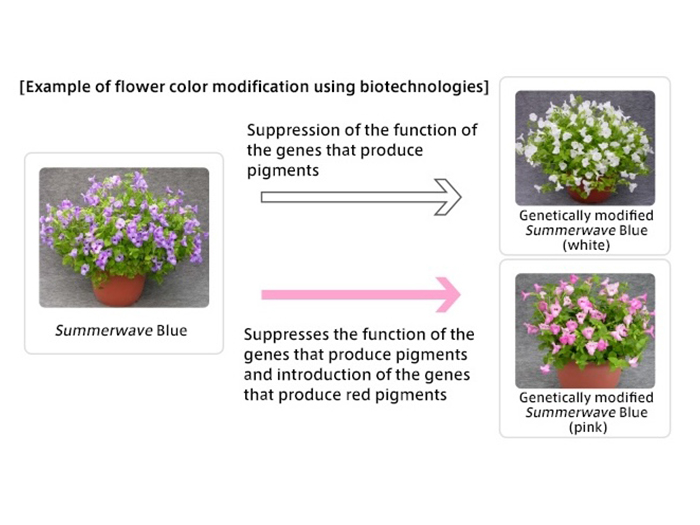
Plants that are currently grown, such as cereals, vegetables, and flowers, were created as a result of long-term plant breeding by “hybridization.” Thanks to improvements in breeding, our living level has increased because we have produced crops that are handled easily by humans, such as disease-resistant crops, crops with high yields, and crops beautiful to look at. However, hybridization requires long time and labor intensive work, and there were some characteristics that could not be achieved by hybridization. Therefore, it was critical to develop new breeding methods to generate novel varieties. Using biotechnologies that are currently progressing remarkably, breeding efficiency has considerably improved, and what was once impossible by hybridization has now become possible. Suntory applies these technologies to generate novel flowers, and has been making various kinds of endeavors, such as the endeavor to develop “blue roses,” which was a dream of rose breeders around the world.
Plants contrive various ways to attract insects and birds that carry their pollens. The use of flower colors is one of these ways, and they have flowers of various colors that appeal to insects and birds. Representative flower color components include: 1) flavonoids, which produce many colors from yellow to blue (morning glory, carnation, geranium, etc.), 2) carotenoids, from yellow to orange (yellow chrysanthemum and rose, components of tomato and carrot, etc.), and 3) betalains, contained in some plants (four-o’clock, cactus, etc.) and mushrooms (see the figure below). Among them, Suntory has been conducting studies of flavonoids. Flavonoids include many compounds that are good for health. Anthocyanins in blueberries, which are considered to be good for eyes (red and blue pigments among flavonoids are called anthocyanins), and catechin belongs to the class of flavonoids.
Flavonoids are synthesized from phenylalanine (a kind of amino acid) with the work of many enzymes. Flower colors are determined depending on which enzymes work and how much they work. For example, if enzymes to produce blue pigments work, blue flowers bloom, and if enzymes to produce red pigments work, red flowers bloom.
The enzymatic activity is controlled by genes (the blueprint of living organisms). Thus, flower colors can be changed by controlling genes.
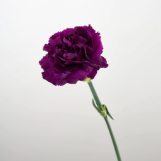
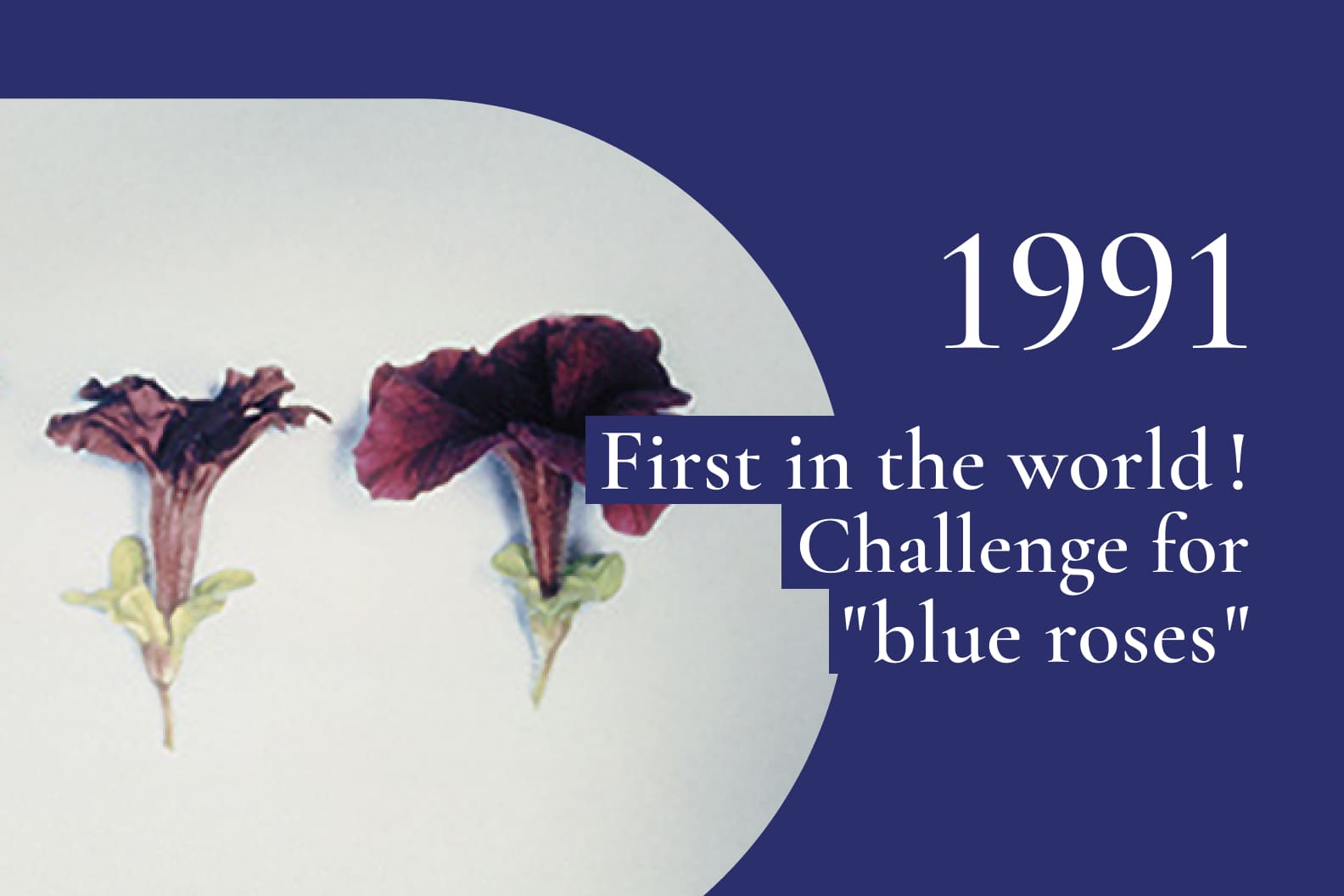
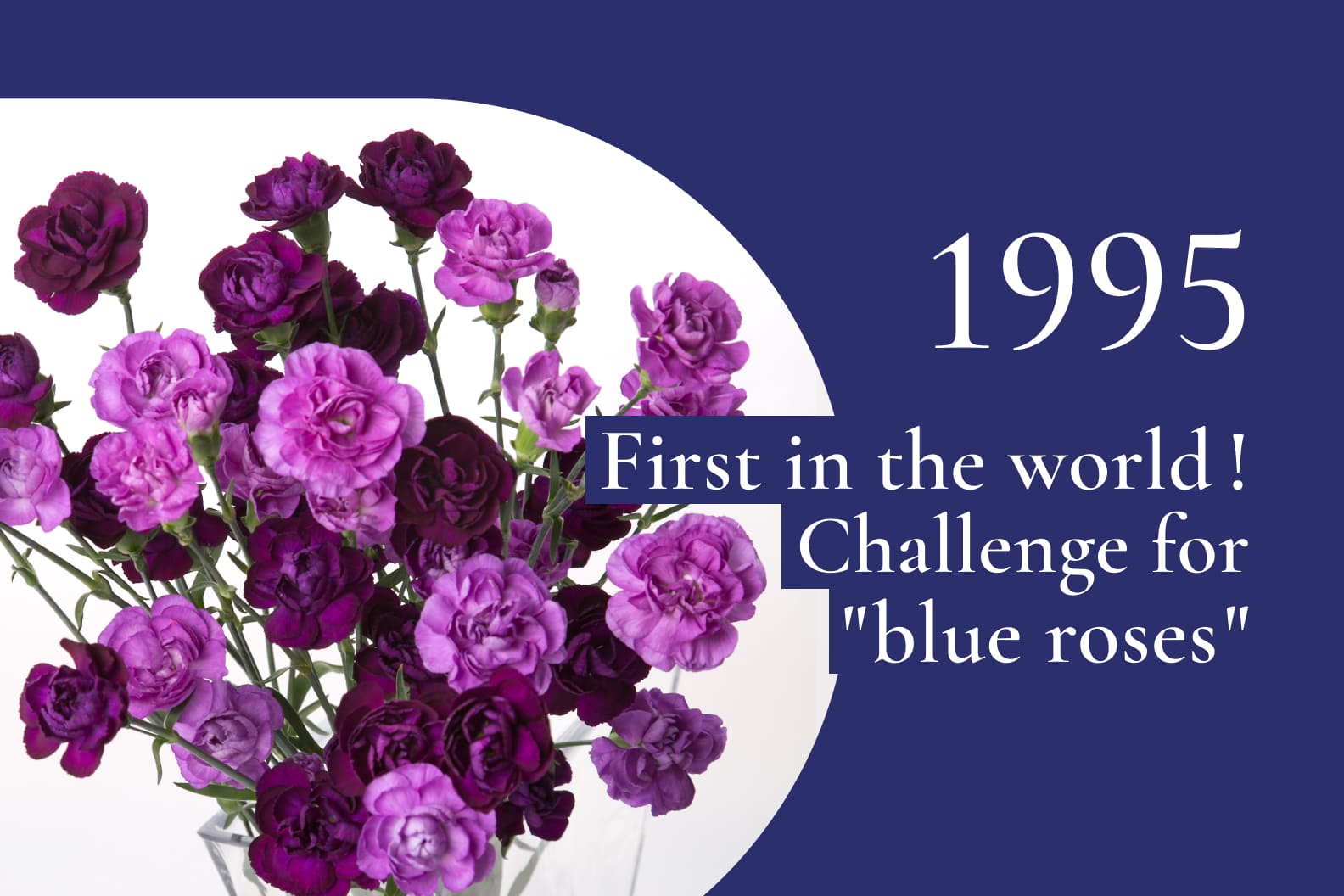
Roses and carnations don’t have enzymes or genes to produce blue pigments. Suntory acquired these genes for the first time in the world. By introducing these genes into carnations, we created carnations in which blue pigments were accumulated called “Moonseries”. These carnations are sold in Japan, Europe, and the USA. Similarly, we developed roses in which blue pigments were accumulated.
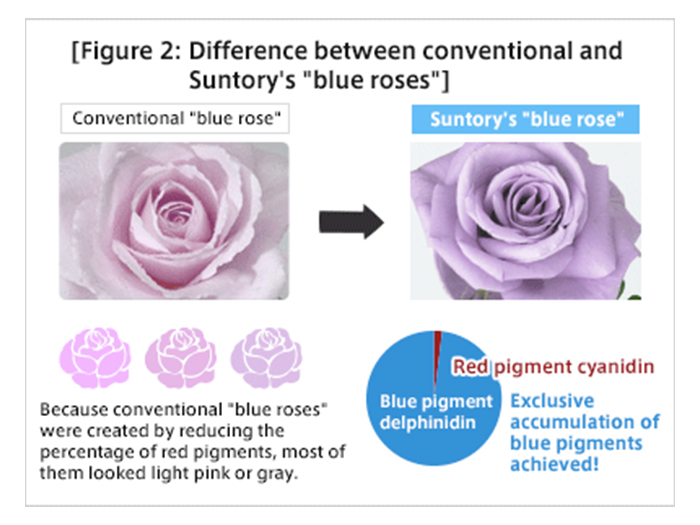
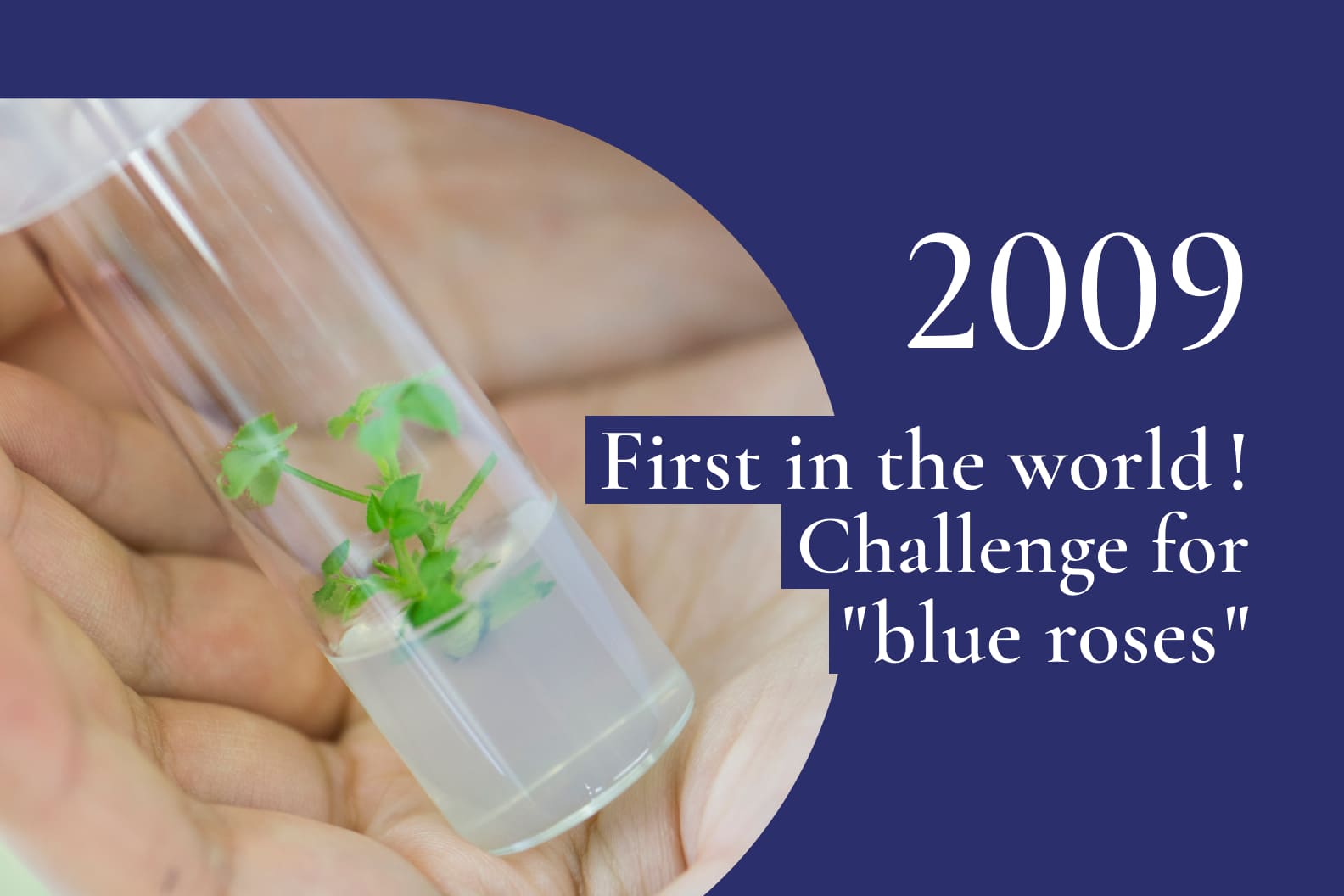
Using biotechnologies, we can change the characteristics of the target living organisms, using genes of other organisms. By introducing blue genes isolated from blue flowers into roses and operating them to work well there, we created roses that accumulated blue pigments. Using various ingenuities, we increased the percentage of blue pigments, and produced roses with blue-colored flowers. Because their colors were more pure blue than those of conventional roses and they accumulated blue pigments (Figure 2), a public announcement was made in 2004 on the birth of blue roses, which was widely reported in Japan and abroad.
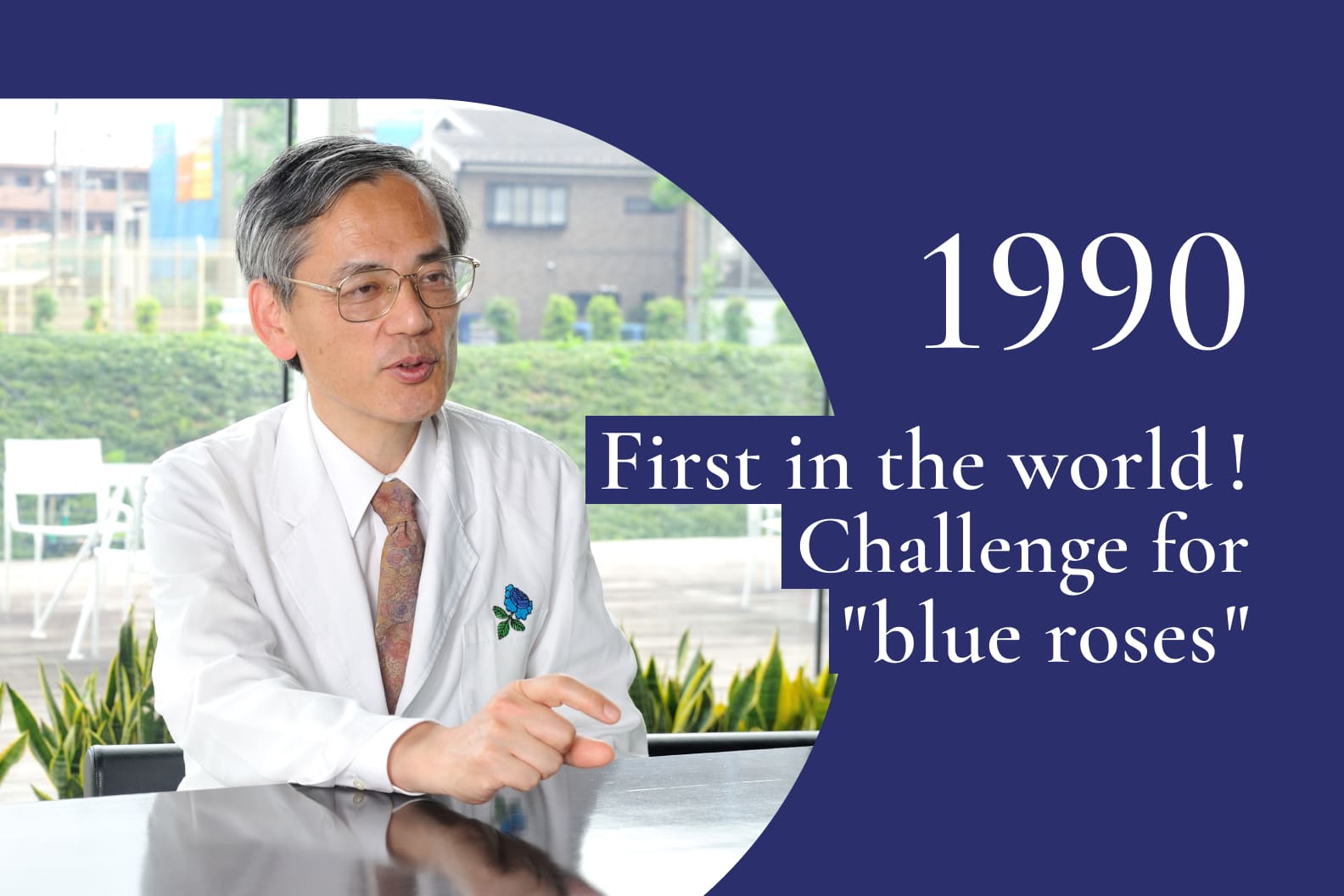
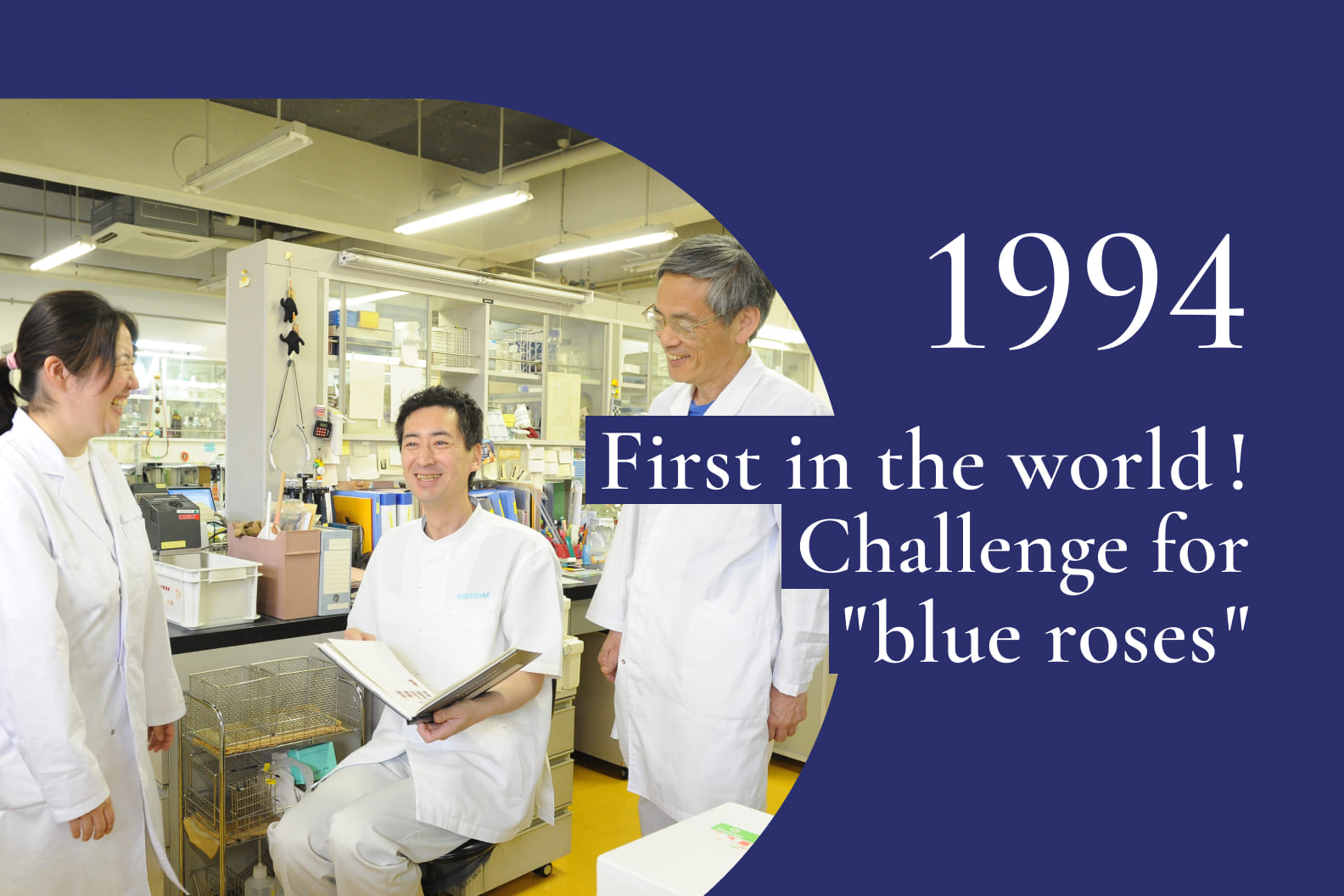
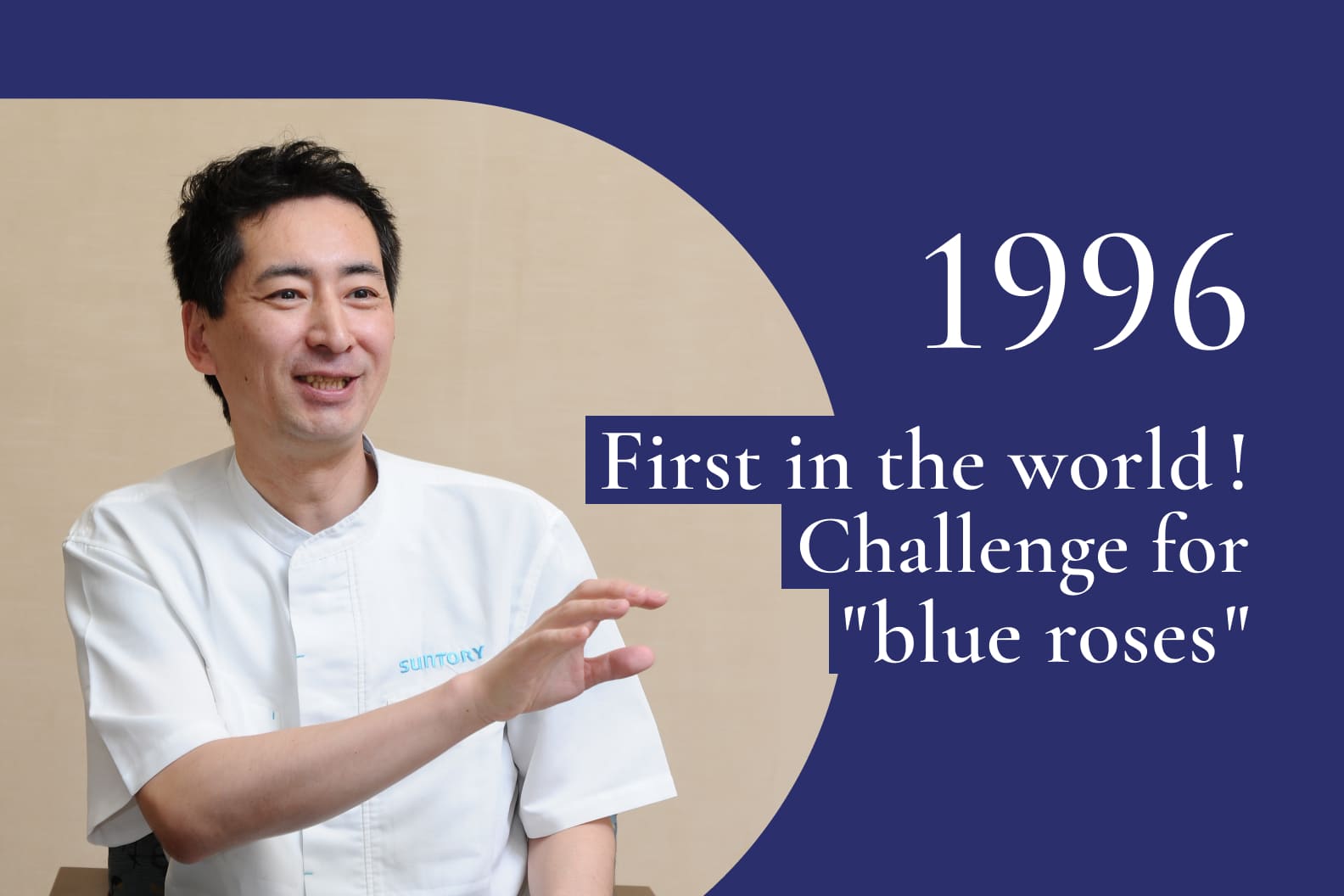
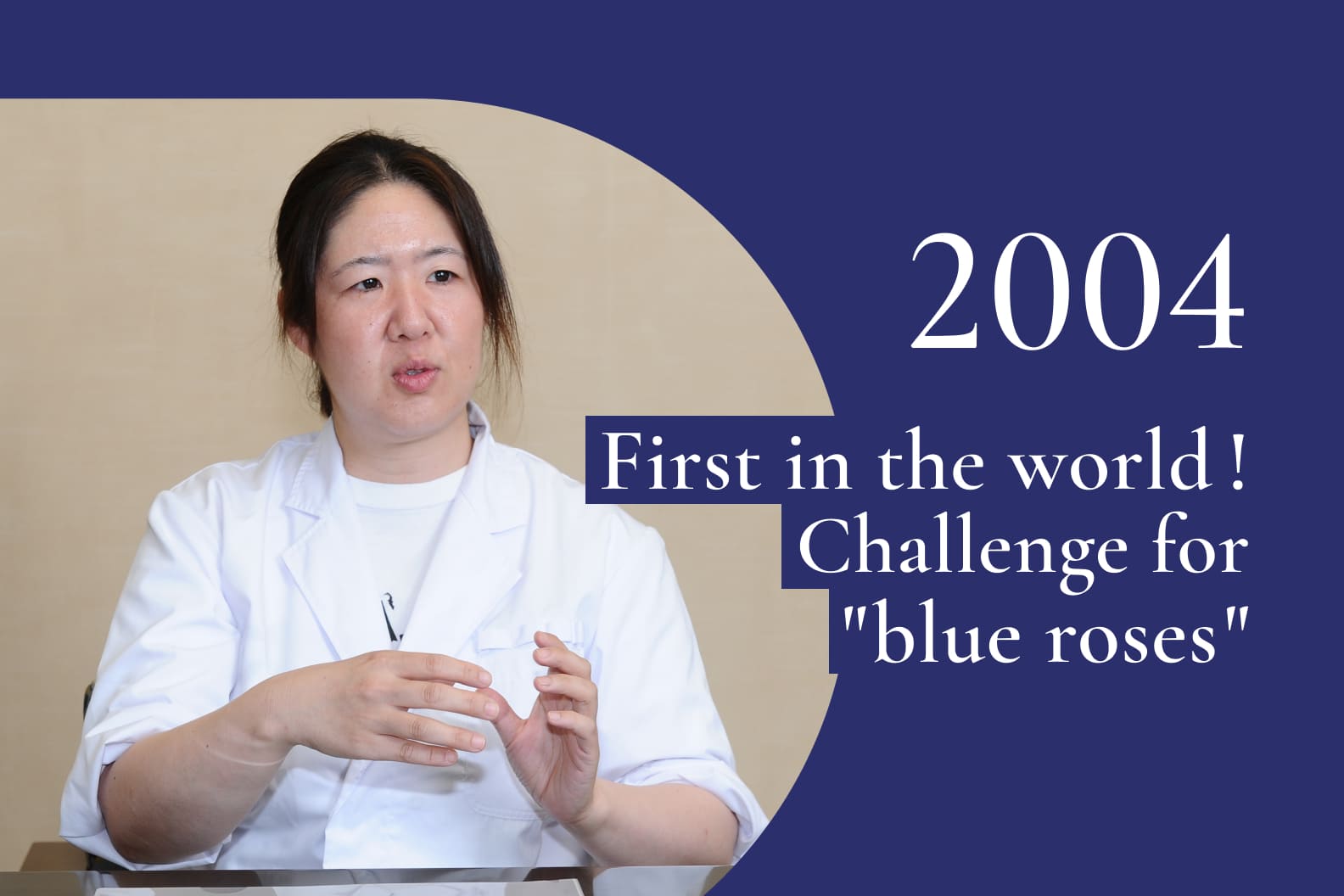
The term “blue rose” in English signified “the impossible (a non-existent object)” because nobody could produce blue roses by hybridization breeding no matter how much they were desired. However, “the impossible” has become possible due to cutting-edge biotechnologies and the continuous efforts of scientists dedicated to producing blue roses. Senior General Manager, Yoshikazu Tanaka, Ph.D., who has participated in the blue rose project since the initiation of the project, Principal Researcher Yukihisa Katsumoto, Ph.D., who still engages in the study as the project leader, and Researcher Noriko Nakamura, Ph.D. talked about their passion and aspirations that led to the success of the development of blue roses.

| 2004 | ・”Special Technology Award,” Japan Bioindustry Association (JBA) ・”Outstanding Performance Award,” Japan Innovators Award, Nikkei Business Publications, Inc. |
|---|---|
| 2005 | ・”Special Award,” Japanese Society for Plant Cell and Molecular Biology |
| 2009 | ・Received the PCP Award of the Japanese Society of Plant Physiologists! ・Yoshikazu Tanaka, Chief Operating Officer of the Institute for Plant Science, received the Japan Prize of Agricultural Science and Yomiuri Prize of Agricultural Science! |
| 2010 | ・Invention Prize at the 2010 National Commendation for Invention |
| 2011 | ・Special Award from the Botanical Society of Japan |
| 2002 | ・Japan Society for Bioscience, Biotechnology and Agrochemistry (JSBBA) Award for Achievement in Technological Research |
|---|---|
| 2004 | ・Good Design Award “Gold Prize,” Japan Institute of Design Promotion |
| 2005 | ・Import Award, Australian Embassy |
| 1998 | ・”Award for Technical Advance,” Japanese Society for Plant Cell and Molecular Biology |
|---|---|
| 2002 | ・”Award for Technical Advance,” Japanese Society for Plant Cell and Molecular Biology |
| 2007 | ・Received the Excellent Paper Award of the Japanese Society for Plant Cell and Molecular Biology! |
| 2009 | ・BBB Paper Award, Japan Society for Bioscience, Biotechnology, and Agrochemistry |
| 2011 | Received the Award for Young Scientists from the Japanese Society for Plant Cell and Molecular Biology! |


