
Previous
The Tokucha Development Story
2025.12.22
Cutting-edge health innovations Health science Story
The development of Iyemon Tokucha started with polyphenol science, an area that Suntory had already been researching for many years—intensively since the late 1980s. Plant-derived ingredients are found in a wide range of Suntory products (including whisky, wine, beer, and oolong tea), and it was known that the antioxidant effects of the polyphenols they show had a critical impact on quality.
We interviewed Hiroshi Shibata, Division COO, Institute for Health Care Science, Suntory Wellness Limited.
This article is a re-edited version of an article that appeared on our corporate website in 2015. Job titles, department names, and photos are current as of the time of publication (2015) and may differ from the present.
The development of Suntory’s Iyemon Tokucha has its origins in the company’s polyphenol science, which began to take shape in the late 1980s. Our early research focused on using antioxidant properties to help maintain product quality, but we later identified their potential for supporting overall health. We scientifically demonstrated that OTPPs (oolong tea polymerized polyphenols), which are unique to oolong tea, strongly inhibit the activity of lipase, a key lipolytic enzyme, and that this effect is greater than that of other oolong tea polyphenols. This finding laid the groundwork for the later development of Kuro Oolong Tea.
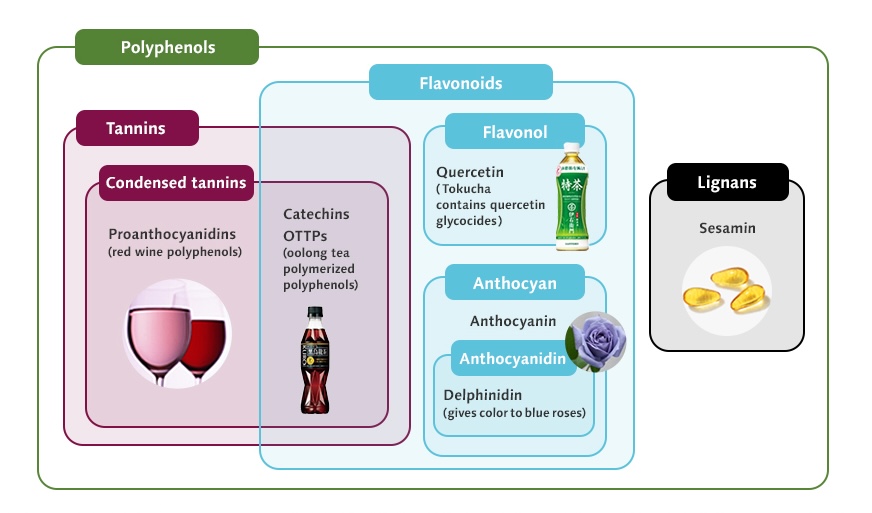
Suntory is involved in an exceptionally wide range of products, from liquors and soft drinks to health foods and flowers. Each one of them is based on water, or alcohol, and the polyphenols* derived from various materials. Beverages like red wine and oolong tea contain wide variety of polyphenols, which are deeply involved in the taste and in maintaining the quality of alcoholic and non-alcoholic beverages. Sesamin in our health supplements and the blue pigment that led us to create blue roses are both types of polyphenols. We can even go so far as declaring polyphenols the foundation for Suntory products.
It was 1987 when Suntory began to do serious research in the area of polyphenol science. The company set up Institute for Fundamental Research, knowing that it needed to carry out the research and development work that would lead to new business activities and pave the way to its success in the 21st century.
Suntory was already well versed in fermentation and biotechnology thanks to its work as an alcoholic beverage manufacturer; at the same time, it was looking to bring new innovations into its operations with its signature Yatte Minahare! (Go for it!) spirit.

They assigned me to Institute for Fundamental Research even though I had just been hired on at the company. In discussing the question of what research really epitomized Suntory and would help the company expand its business operations, we came to the conclusion that the 21st century was likely to be an era that focused on positive emotion and good health.
Keeping these two key phrases in mind, we tried to come up with new projects that would take advantage of the technologies Suntory had accumulated over the years and develop them even further. Our natural conclusion was to get involved in the flower and health food businesses. Our flower business—represented in part by our signature blue roses—is truly geared towards positive, healthy emotion. Everyone feels calmer, healthier, and more alive at the sight of beautiful flowers.
In the area of physical health, we focused our attention on polyphenols. Cell oxidation is what drives the aging process in the human body; essentially, the body gets rusty and wears out. The rust itself also triggers a variety of health issues. Knowing this, we wondered whether the antioxidant polyphenols that maintain product quality might also maintain the quality (health) of the human body as well.
The aim of our research in polyphenol science, then, was to identify the effects of polyphenols on maintaining and/or improving physical health. This marked the beginning of Suntory’s full-blown polyphenol research efforts as we sought to unlock the door to a new era with antioxidants as the key.
In the 1990s, the general impression of polyphenols was that they were astringent and bitter—and almost nobody was paying attention to those particular healthy benefits. In 1994, however, Suntory and the National Institute of Health and Nutrition announced the results of a joint study that made the world stand up and take notice. The team demonstrated that the polyphenols in red wine prevent arteriosclerosis—thus solving the so-called “French Paradox*” and triggering the subsequent red wine boom in Japan.
In addition to red wine polyphenols, we were also looking at the ones in oolong tea. The varieties of polyphenols in oolong tea number in the hundreds or thousands, and there is simply no way to identify every one—even using our modern analytical technologies.
While being faced with this difficult and complex problem, as research progressed our attention began to shift towards a type of oolong tea polyphenol with a distinctive structure: oolong tea polymerized polyphenols (OTPPs). While the catechin found in green tea is an extremely small polyphenol molecule, we found that the complex chemical reactions that take place during the special manufacturing process used to make half-fermented oolong tea cause multiple catechin molecules to bind together in a characteristic structure.
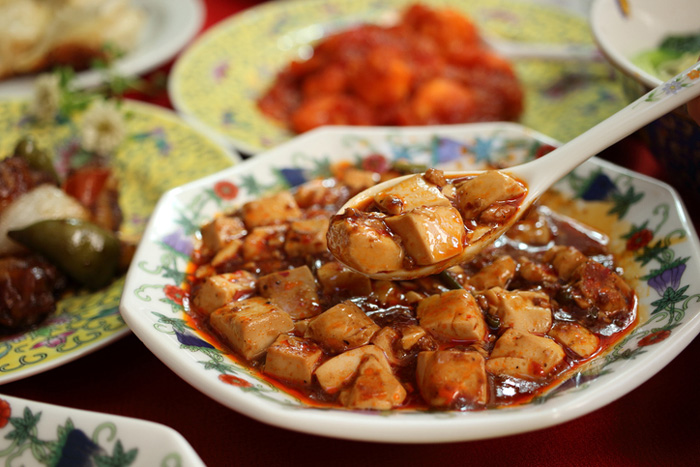
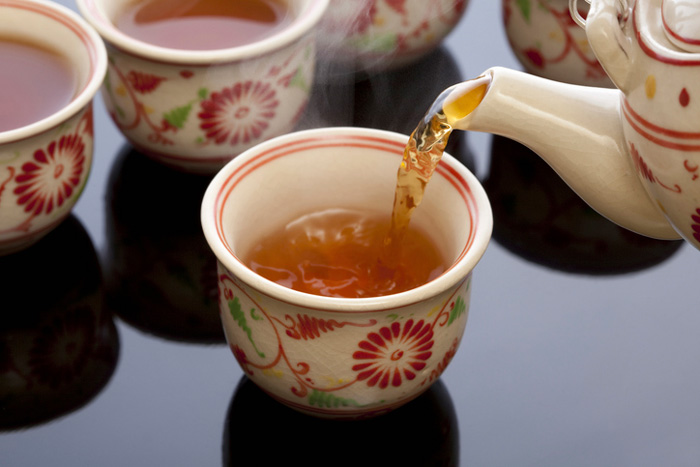
Oolong is a relatively new Chinese tea, originally presented as a gift to the emperor during the Ming dynasty to maintain his health. Its health benefits were therefore known in China long before it was ever introduced to Japan. Historically, when the Chinese ate greasy foods, the fingerbowl they used to get the oil off their hands was filled with oolong tea—making it clear that experience had taught them the distinctive oil-flushing properties of oolong generations ago.
Every country has in their native cuisine foods traditionally believed to be good for the body or beverages thought to promote health. As a food and beverage manufacturer, Suntory values these important culinary traditions, which have been passed down over countless years as the result of people’s experiences with food. They may appear unscientific at first, but they would have certainly died out by now if they were truly ineffective. Our team sought out to scientifically verify these time-tested practices.
When I was a university student, I studied proteins that inhibit enzyme* activity-so I decided to advance research focused on the action of enzymes against polyphenols.
As a result of our research, we were able to prove that of the polyphenols found in oolong tea, OTPPs are remarkably effective at inhibiting the activity of lipase, an enzyme that breaks down fat. This was the research finding that later led to the development of Suntory’s Kuro Oolong Tea.
While we were conducting our OTPP research, we were also studying various other aspects of polyphenols, including how they are absorbed into the body and what enzymes they act on. The supplement products developed by making use of the sesamin and tien-cha polyphenols are also additional examples of Suntory goods that came out of this research.
In 2001, we took our health-focused research and development activities a step further with the establishment of the Institute for Health Care Science, and from that point forward the research findings we had obtained in the 1990s finally started to take off. For its part, Suntory made the most of its accumulated work in polyphenol science, forging it to a unique corporate strength by continually feeding it into new research projects.