
- Calendar
- Online Ticket Sales
- Access
- JA
- EN
A Feast for the Eyes: Tableware
July 8 to August 30, 2026
*There will be an exhibition change during the course of exhibition.
*Download the list of changes in works on display
The list of changes in worksPDF
*The order of chapters may change at the exhibition venue.
Section 1
Ceramic Tableware Adorning the Early Modern Dinner Table:
Ōzara, Hachi, Mukōzuke, Futamono, Choku
In Japan’s food culture, a variety of ceramic utensils are used, to suit the type of food being served and how it is presented.
Section 1 introduces the major types of ceramic tableware used in the early modern period. By examining their roles and uses, it explores how these vessels helped shape dining etiquette and the practice of hospitality.
Ōzara and Hachi (Large Dishes and Bowls)
These large vessels, dishes and bowls, are used to serve food for multiple persons. The food is attractively arranged and brought to the table, where a server may portion them out or guests may serve themselves and pass the dish along to the next person. In the kaiseki meal that is part of a tea gathering, large bowls were used to serve dishes shared by several diners: grilled foods, simmered, vinegared, or dressed foods to accompany saké, pickles, and sweets, for example.
Mukōzuke
These small dishes are served individually to each guest. In the early modern period, Japanese cuisine was served on trays (zen or oshiki), one for each person, with the dishes arranged on them. Their order was, on the side nearest the diner, the rice bowl and soup bowl. The mukōzuke were placed on the far side (the mukō). For example, in a kaiseki meal, the mukōzuke might hold sashimi and namasu (vinegared raw fish or vegetable). The same style of mukōzuke would be used to serve each guest at an event, generating a sense of togetherness among them. After the guests had eaten, they would enjoy appreciating the now empty mukōzuke.
Futamono (lidded vessels)
The basic type of futamono, object with a lid, is a lidded bowl. Mukōzuke with lids are called futa mukō, rice bowls with lids futa wan, and tea bowls with lids futa chawan, for example. In daikyō cuisine, the ceremonial foods enjoyed by Heian aristocrats, and in honzen cuisine, the warrior class equivalent, eating food that was freshly prepared was not necessarily emphasized. In the early modern period, however, there was a growing preference for serving food to present its fresh-cooked deliciousness, and lidded vessels became common. The lid serves to preserve the food’s color, aroma, moisture, and warmth, while also creating the dramatic moment when it is removed and the delicious contents revealed.
Choku
The choku is a small cylindrical vessel. In the early modern period, the variety of seasonings and condiments increased. To allow diners to adjust flavors as they liked when eating, seasonings and condiments were placed in small cups (choku) or small sauce servers or ewers (shirutsugi) and served with the meal. Choku and small dishes (teshiozara) are also well suited for serving small portions of delicacies or pickles. The development of the choku can be seen as indicating the growing emphasis on subtle, refined flavors in Japanese cuisine.
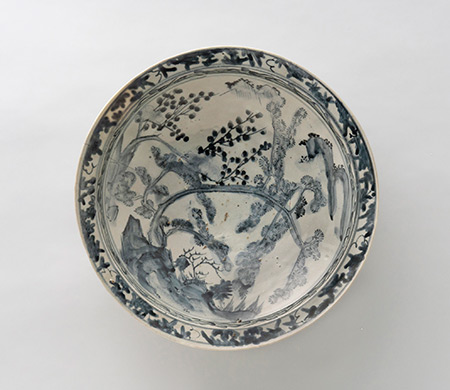
Hizen, Arita
Edo Period, 17th century, Suntory Museum of Art
【To be shown over an entire period】
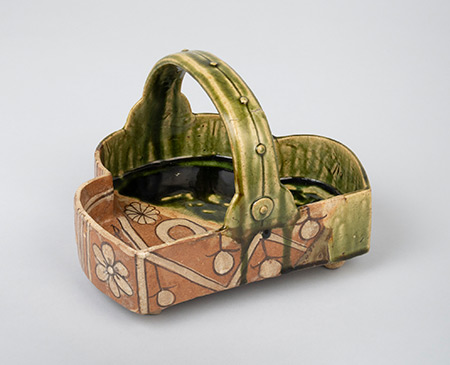
Mino ware
Momoyama Period, 17th century, Suntory Museum of Art
【To be shown over an entire period】
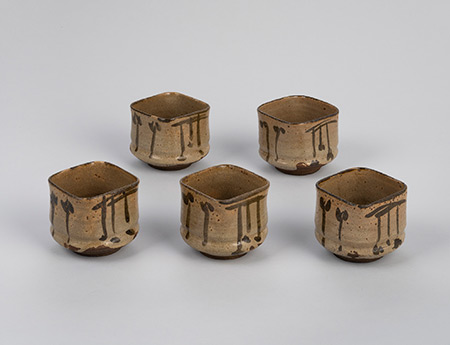
Karatsu ware
Momoyama Period, 16th-17th century, Suntory Museum of Art
【To be shown over an entire period】
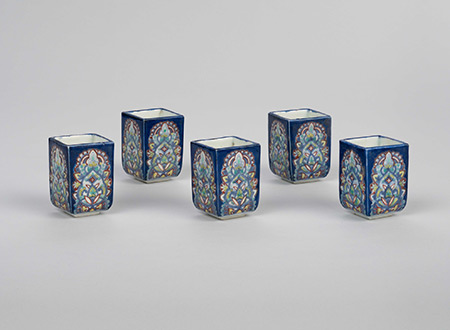
Nabeshima ware
Edo Period, 17th century, Suntory Museum of Art
【To be shown over an entire period】
Section 2
Tableware Speaks—Hospitality Imbedded in Shape and Motif
In many cases, serving food when entertaining guests in the early modern period was organized chiefly in terms of lacquered trays and bowls, with a few ceramics added. Lacquerware alone could provide a complete setting for guests. If practicality were the only concern, then ceramics in round and square shapes would have sufficed. But in Japan, ceramic vessels from a variety of production centers were adopted, and vessels of many different forms and an abundance of motifs were used with great care when offering hospitality.
Section 2 focuses on the richly varied shapes and motifs of vessels and explores the messages from the host embedded in each.
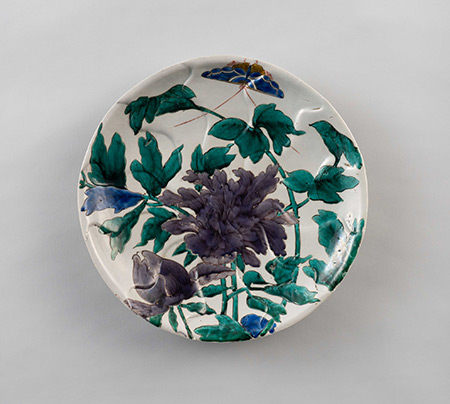
Hizen, Arita
Edo Period, 17th century, Suntory Museum of Art
【To be shown over an entire period】
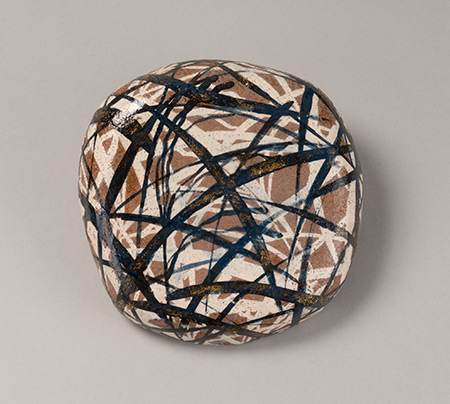
Ogata Kenzan
Edo Period, 18th century, Suntory Museum of Art
【To be shown over an entire period】
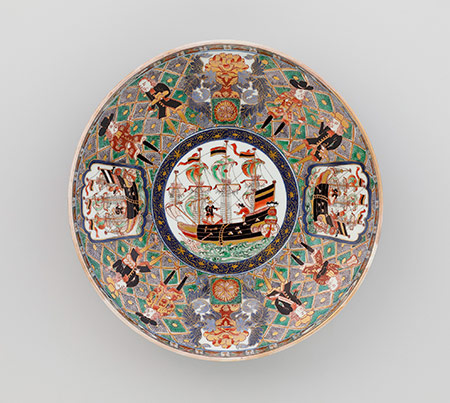
Imari ware
Edo Period, 18th century, Suntory Museum of Art
【To be shown over an entire period】
*Unauthorized reproduction or use of texts or images from this site is prohibited.
2025 January
- Exhibition
- Closed
- Tea Ceremony
- Mon
- Tue
- Wed
- Thu
- Fri
- Sat
- Sun
- 1
- 2
- 3
- 4
- 5
- 6
- 7
- 8
- 9
- 10
- 11
- 12
- 13
- 14
- 15
- 16
- 17
- 18
- 19
- 20
- 21
- 22
- 23
- 24
- 25
- 26
- 27
- 28
- 29
- 30
- 31
2025 February
- Exhibition
- Closed
- Tea Ceremony
- Mon
- Tue
- Wed
- Thu
- Fri
- Sat
- Sun
- 1
- 2
- 3
- 4
- 5
- 6
- 7
- 8
- 9
- 10
- 11
- 12
- 13
- 14
- 15
- 16
- 17
- 18
- 19
- 20
- 21
- 22
- 23
- 24
- 25
- 26
- 27
- 28
2025 March
- Exhibition
- Closed
- Tea Ceremony
- Mon
- Tue
- Wed
- Thu
- Fri
- Sat
- Sun
- 1
- 2
- 3
- 4
- 5
- 6
- 7
- 8
- 9
- 10
- 11
- 12
- 13
- 14
- 15
- 16
- 17
- 18
- 19
- 20
- 21
- 22
- 23
- 24
- 25
- 26
- 27
- 28
- 29
- 30
- 31
2025 April
- Exhibition
- Closed
- Tea Ceremony
- Mon
- Tue
- Wed
- Thu
- Fri
- Sat
- Sun
- 1
- 2
- 3
- 4
- 5
- 6
- 7
- 8
- 9
- 10
- 11
- 12
- 13
- 14
- 15
- 16
- 17
- 18
- 19
- 20
- 21
- 22
- 23
- 24
- 25
- 26
- 27
- 28
- 29
- 30
2025 May
- Exhibition
- Closed
- Tea Ceremony
- Mon
- Tue
- Wed
- Thu
- Fri
- Sat
- Sun
- 1
- 2
- 3
- 4
- 5
- 6
- 7
- 8
- 9
- 10
- 11
- 12
- 13
- 14
- 15
- 16
- 17
- 18
- 19
- 20
- 21
- 22
- 23
- 24
- 25
- 26
- 27
- 28
- 29
- 30
- 31
2025 June
- Exhibition
- Closed
- Tea Ceremony
- Mon
- Tue
- Wed
- Thu
- Fri
- Sat
- Sun
- 1
- 2
- 3
- 4
- 5
- 6
- 7
- 8
- 9
- 10
- 11
- 12
- 13
- 14
- 15
- 16
- 17
- 18
- 19
- 20
- 21
- 22
- 23
- 24
- 25
- 26
- 27
- 28
- 29
- 30
2025 July
- Exhibition
- Closed
- Tea Ceremony
- Mon
- Tue
- Wed
- Thu
- Fri
- Sat
- Sun
- 1
- 2
- 3
- 4
- 5
- 6
- 7
- 8
- 9
- 10
- 11
- 12
- 13
- 14
- 15
- 16
- 17
- 18
- 19
- 20
- 21
- 22
- 23
- 24
- 25
- 26
- 27
- 28
- 29
- 30
- 31
2025 August
- Exhibition
- Closed
- Tea Ceremony
- Mon
- Tue
- Wed
- Thu
- Fri
- Sat
- Sun
- 1
- 2
- 3
- 4
- 5
- 6
- 7
- 8
- 9
- 10
- 11
- 12
- 13
- 14
- 15
- 16
- 17
- 18
- 19
- 20
- 21
- 22
- 23
- 24
- 25
- 26
- 27
- 28
- 29
- 30
- 31
2025 September
- Exhibition
- Closed
- Tea Ceremony
- Mon
- Tue
- Wed
- Thu
- Fri
- Sat
- Sun
- 1
- 2
- 3
- 4
- 5
- 6
- 7
- 8
- 9
- 10
- 11
- 12
- 13
- 14
- 15
- 16
- 17
- 18
- 19
- 20
- 21
- 22
- 23
- 24
- 25
- 26
- 27
- 28
- 29
- 30
2025 October
- Exhibition
- Closed
- Tea Ceremony
- Mon
- Tue
- Wed
- Thu
- Fri
- Sat
- Sun
- 1
- 2
- 3
- 4
- 5
- 6
- 7
- 8
- 9
- 10
- 11
- 12
- 13
- 14
- 15
- 16
- 17
- 18
- 19
- 20
- 21
- 22
- 23
- 24
- 25
- 26
- 27
- 28
- 29
- 30
- 31
2025 November
- Exhibition
- Closed
- Tea Ceremony
- Mon
- Tue
- Wed
- Thu
- Fri
- Sat
- Sun
- 1
- 2
- 3
- 4
- 5
- 6
- 7
- 8
- 9
- 10
- 11
- 12
- 13
- 14
- 15
- 16
- 17
- 18
- 19
- 20
- 21
- 22
- 23
- 24
- 25
- 26
- 27
- 28
- 29
- 30
2025 December
- Exhibition
- Closed
- Tea Ceremony
- Mon
- Tue
- Wed
- Thu
- Fri
- Sat
- Sun
- 1
- 2
- 3
- 4
- 5
- 6
- 7
- 8
- 9
- 10
- 11
- 12
- 13
- 14
- 15
- 16
- 17
- 18
- 19
- 20
- 21
- 22
- 23
- 24
- 25
- 26
- 27
- 28
- 29
- 30
- 31
2026 January
- Exhibition
- Closed
- Tea Ceremony
- Mon
- Tue
- Wed
- Thu
- Fri
- Sat
- Sun
- 1
- 2
- 3
- 4
- 5
- 6
- 7
- 8
- 9
- 10
- 11
- 12
- 13
- 14
- 15
- 16
- 17
- 18
- 19
- 20
- 21
- 22
- 23
- 24
- 25
- 26
- 27
- 28
- 29
- 30
- 31
2026 February
- Exhibition
- Closed
- Mon
- Tue
- Wed
- Thu
- Fri
- Sat
- Sun
- 1
- 2
- 3
- 4
- 5
- 6
- 7
- 8
- 9
- 10
- 11
- 12
- 13
- 14
- 15
- 16
- 17
- 18
- 19
- 20
- 21
- 22
- 23
- 24
- 25
- 26
- 27
- 28
2026 March
- Exhibition
- Closed
- Mon
- Tue
- Wed
- Thu
- Fri
- Sat
- Sun
- 1
- 2
- 3
- 4
- 5
- 6
- 7
- 8
- 9
- 10
- 11
- 12
- 13
- 14
- 15
- 16
- 17
- 18
- 19
- 20
- 21
- 22
- 23
- 24
- 25
- 26
- 27
- 28
- 29
- 30
- 31
2026 April
- Exhibition
- Closed
- Mon
- Tue
- Wed
- Thu
- Fri
- Sat
- Sun
- 1
- 2
- 3
- 4
- 5
- 6
- 7
- 8
- 9
- 10
- 11
- 12
- 13
- 14
- 15
- 16
- 17
- 18
- 19
- 20
- 21
- 22
- 23
- 24
- 25
- 26
- 27
- 28
- 29
- 30
2026 May
- Exhibition
- Closed
- Mon
- Tue
- Wed
- Thu
- Fri
- Sat
- Sun
- 1
- 2
- 3
- 4
- 5
- 6
- 7
- 8
- 9
- 10
- 11
- 12
- 13
- 14
- 15
- 16
- 17
- 18
- 19
- 20
- 21
- 22
- 23
- 24
- 25
- 26
- 27
- 28
- 29
- 30
- 31
2026 June
- Exhibition
- Closed
- Mon
- Tue
- Wed
- Thu
- Fri
- Sat
- Sun
- 1
- 2
- 3
- 4
- 5
- 6
- 7
- 8
- 9
- 10
- 11
- 12
- 13
- 14
- 15
- 16
- 17
- 18
- 19
- 20
- 21
- 22
- 23
- 24
- 25
- 26
- 27
- 28
- 29
- 30
2026 July
- Exhibition
- Closed
- Mon
- Tue
- Wed
- Thu
- Fri
- Sat
- Sun
- 1
- 2
- 3
- 4
- 5
- 6
- 7
- 8
- 9
- 10
- 11
- 12
- 13
- 14
- 15
- 16
- 17
- 18
- 19
- 20
- 21
- 22
- 23
- 24
- 25
- 26
- 27
- 28
- 29
- 30
- 31
2026 August
- Exhibition
- Closed
- Mon
- Tue
- Wed
- Thu
- Fri
- Sat
- Sun
- 1
- 2
- 3
- 4
- 5
- 6
- 7
- 8
- 9
- 10
- 11
- 12
- 13
- 14
- 15
- 16
- 17
- 18
- 19
- 20
- 21
- 22
- 23
- 24
- 25
- 26
- 27
- 28
- 29
- 30
- 31
2026 September
- Exhibition
- Closed
- Mon
- Tue
- Wed
- Thu
- Fri
- Sat
- Sun
- 1
- 2
- 3
- 4
- 5
- 6
- 7
- 8
- 9
- 10
- 11
- 12
- 13
- 14
- 15
- 16
- 17
- 18
- 19
- 20
- 21
- 22
- 23
- 24
- 25
- 26
- 27
- 28
- 29
- 30
2026 October
- Exhibition
- Closed
- Mon
- Tue
- Wed
- Thu
- Fri
- Sat
- Sun
- 1
- 2
- 3
- 4
- 5
- 6
- 7
- 8
- 9
- 10
- 11
- 12
- 13
- 14
- 15
- 16
- 17
- 18
- 19
- 20
- 21
- 22
- 23
- 24
- 25
- 26
- 27
- 28
- 29
- 30
- 31
2026 November
- Exhibition
- Closed
- Mon
- Tue
- Wed
- Thu
- Fri
- Sat
- Sun
- 1
- 2
- 3
- 4
- 5
- 6
- 7
- 8
- 9
- 10
- 11
- 12
- 13
- 14
- 15
- 16
- 17
- 18
- 19
- 20
- 21
- 22
- 23
- 24
- 25
- 26
- 27
- 28
- 29
- 30
2026 December
- Exhibition
- Closed
- Mon
- Tue
- Wed
- Thu
- Fri
- Sat
- Sun
- 1
- 2
- 3
- 4
- 5
- 6
- 7
- 8
- 9
- 10
- 11
- 12
- 13
- 14
- 15
- 16
- 17
- 18
- 19
- 20
- 21
- 22
- 23
- 24
- 25
- 26
- 27
- 28
- 29
- 30
- 31
